It Started Small - A Carer story
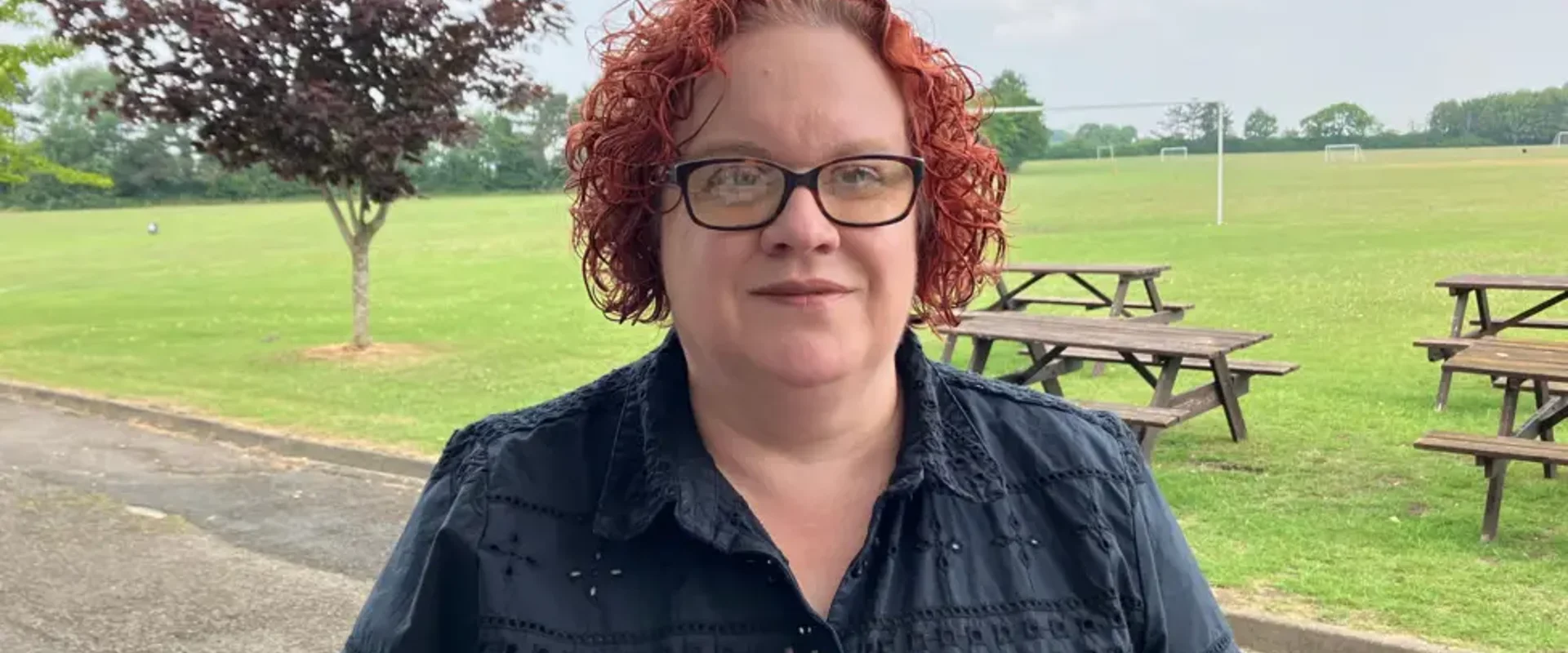
It Started Small - A Carer Story
My Journey to Recognising Myself as an Unpaid Carer
For a long time, I never thought of myself as an unpaid carer. I was simply doing what many of us do when someone we love needs support. Helping out, being there, picking up the pieces when things were difficult and trying to make life a little easier for someone who mattered to me.
There wasn't a single moment when I suddenly became a carer. It happened gradually. A phone call here, an appointment there, helping to navigate services, offering emotional support, worrying about what might happen next, and constantly trying to balance everything alongside work and family life. I never saw it as caring. I saw it as being a daughter.
What makes me smile now is that throughout this time I was working alongside unpaid carers every day. I was listening to their stories, talking about the importance of recognising carers, and helping people access support. Yet somehow, I didn't see myself in those conversations. It was only when I reflected on hearing carers describe their daily lives that something clicked. The constant responsibility. The feeling of always being "on call". The juggling of work, family and caring responsibilities. The guilt, the worry and sometimes the exhaustion.
Their experiences felt very familiar. Slowly, I realised that being an unpaid carer isn't about the relationship you have with someone. You can still be a daughter, son, partner, spouse, parent, sibling or friend. It's about the support you provide and the impact that caring role has on your own life.
Recognising myself as an unpaid carer was surprisingly emotional. Partly because it helped me understand that some of the challenges I was facing were shared by so many others. But also because it meant acknowledging that I needed support too. Like many carers, I had become so focused on looking after someone else that I had forgotten to think about my own wellbeing. Identifying as a carer gave me permission to do that. It helped me understand that asking for support isn't a sign of weakness. It's something we all need from time to time.
My experience has made me even more passionate about ensuring carers are recognised, valued and supported. I know how easy it is not to see yourself as a carer, because I didn't for a long time. If there's one thing I've learned, it's that there are thousands of people quietly caring every day who would never use the word "carer" to describe themselves. They are simply looking after someone they love.
I was one of those people. And that is why recognising unpaid carers matters so much to me, both personally and professionally.